
Authenticity is a necessity
Depression and Burnout: Neurodivergent people at risk
Linda Veenman
11/18/20254 min read

Understanding Depression and Burnout in Neurodivergent Individuals
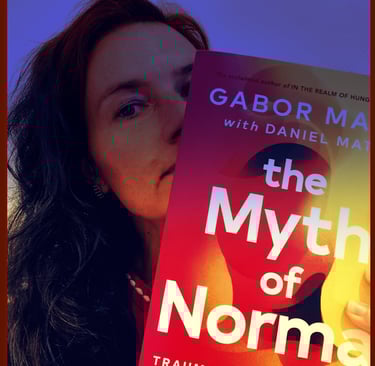
Gabor Maté in his book 'The Myth of Normal' describes depression as the brain’s attempt to cope with disconnection, thus explaining it as a protective response rather than a defect or chemical imbalance. I couldn't agree more!
Each neurodivergent profile has its own challenges, but one thing they all share is being pushed away from who they truly are. That repeated disconnect can grow into sadness, a loss of hope, and eventually the onset of depression and burnout.
ADHD: Rejection sensitivity
Children with ADHD often receive far more criticism than their peers. According to an estimate by Russell Barkley (2013), by age 12 they may have heard up to 20,000 more corrective or negative messages than neurotypical children. Over time, this level of chronic discouragement contributes to what is known as Rejection Sensitive Dysphoria (RSD)—an extreme, sudden emotional pain triggered by real or perceived rejection or criticism. Because their nervous system has become more sensitive and reactive, ADHD children begin to expect rejection, react intensely to it, and internalize it deeply. Even minor comments that others brush off—but that the ADHD brain perceives as rejection—can feel overwhelming, leading to despair, shame, avoidance, and a painful erosion of self-esteem. This constant emotional hypervigilance creates chronic stress and often leads to depression and/or burnout.
Autism: masking
Research shows autistic masking becomes noticeable around age six, especially when children enter school. To avoid judgment or bullying, many begin suppressing natural traits—like stimming, repetitive behaviors, or unique speech patterns—adjusting themselves to fit in. Over time, this constant self-monitoring creates emotional hypervigilance similar to rejection sensitivity: every interaction becomes a situation to manage, predict, or hide parts of themselves in. Masking can help with short-term social acceptance, but it is exhausting and often leads to anxiety, chronic stress, and later burnout.
Giftedness: Intensity
Gifted individuals tend to be intense, sensitive, and idealistic (Webb, Gore, Amend, & DeVries, 2007). Their heightened awareness of inconsistencies, hypocrisies, or injustice often makes them feel “too much” for their environment. When they sense that others don’t share their depth or pace of thinking, they start to hide it in order to fit in—and loneliness grows.
Their introspection can spark existential questioning early on and throughout life: “What’s the point? Why does the world work this way? Why doesn’t anyone else seem bothered by this?” Combined with their strong moral sensitivity, this can create a kind of existential rejection sensitivity (or existential depression): the painful sense that their values, intensity, or authenticity will be dismissed. That frustration often turns inward and becomes depression. Many gifted individuals also mask their distress exceptionally well; their competence and insight can hide profound inner struggle. Their rich inner world gets pushed down to seem more “normal,” and the result is an enormous loss of potential—for them, and for the world that might have benefited from their originality and depth.
The Importance of Authenticity: my experience
I burned out at 23. Depression was part of it. One of my doctors wanted to put me on antidepressants, but I refused and chose the long road instead.* It took nearly two years to recover from burnout, and depression is something I still navigate through from time to time. As Gabor Maté explains: "the repression of emotion, while adaptive in one circumstance, can become a state of chronic disconnect, a withdrawel from life. It becomes programmed into the brain, embedded in the personality."
What I remember as the strangest part of my burn-out was a kind of numbness—an almost unreal sense of giving up. I didn’t care about anything anymore. I genuinely could have sat in the rain or snow for hours and didn't care about getting wet or cold. Similarly surprising was a sense of detachment from my own body, realizing things like 'this is my arm.'
And yet, paradoxically, I put all the energy I had left into trying to get well: yoga, meditation, different kinds of therapy, journaling, courses, long walks, and a complete change of diet. I worked so hard while part of what I had to learn was to try less hard.. Still a lesson that comes up often to this day.
Looking back, the truth was always there: I can’t live like everyone else—and that’s okay. I don't regret trying, but I’ve learned that my own way of moving through life - even with longer recovery times, feeling different, feeling unseen and misunderstood - is very meaningful to me 😊
Simple Steps to Reconnect with Yourself
Getting back to your authentic self can start small. A few simple steps to help you on your journey. (Please note that if you are already in burn-out you need rest to reconnect first and foremost and good guidance in the form of therapy that fits you).
Reflect on Your Interests: Take time to engage with activities that light you up. Whether it's art, music, or any other passion, immersing yourself in these activities can quiet your mind and/or reignite your joy.
Set Boundaries: Knowing your limits is crucial. Learning to say no to things that drain you, and yes to what energizes you can make a world of difference in your mental health.
Connect with Supportive Communities: Finding your tribe is vital. Surrounding yourself with others who understand your experiences can provide comfort and validation, reducing feelings of loneliness.
Practice Self-Compassion: Remember to treat yourself with kindness. It’s okay to have off days, and it’s important to rest!
Prevention is better than cure
Adapting, putting yourself last, feeling responsible for the needs and wants of others; this drains energy like nothinig else. To prevent yourself from leaking away your life force and becoming depressed or burn-out, prevention is better than cure. Prioritize yourself and your authenticity. Embrace your unique perspective. Forms of adaptation are always necessary in working with others, but not the extent that neurodivergents do on a daily basis!
*What is “the long road,” really? Many people who start antidepressants later find them difficult to taper off, often because of withdrawal-like symptoms or because the original issues haven’t been addressed. My experience is only my own—everyone needs to choose what works for them. But I do believe that we should give much more attention to other ways of dealing with (and healing from) depression, especially the approaches that reconnect us with ourselves rather than only managing symptoms.
One aspect of taking 'the long road' for me was meditation. It took me years and years to "sort of, kind of" be able to quiet my thoughts and disengage from them. Everyone that does any kind of meditation knows this is a lifelong journey into the workings of your mind! Something very interesting can happen though, when you start to see your mind as something that has been programmed by your life experiences. You can then start to make different choices, however difficult: not impossible.
The Art of Education
Self-education
Interested?
© 2024. All rights reserved.