
Freedom and breathing space
Neurodivergent breathing space: physical and mental
NEURODIVERSITY
Linda Veenman
9/10/20251 min read
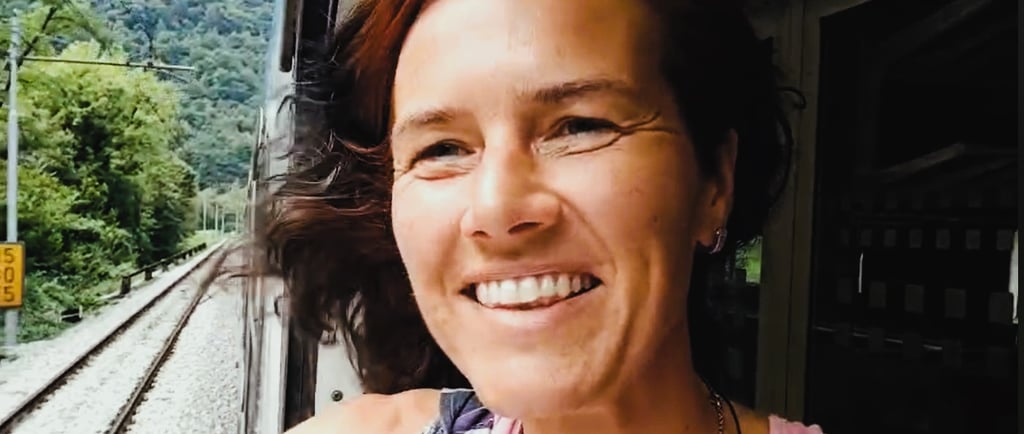

Modern confinement
Step into a modern train, hotel, or office: the windows don’t open, and the air is endlessly recycled. Something as natural as wind has been replaced by machinery. And it shows. What starts as physical confinement quickly becomes something deeper—a mental ''cutting off"from the living world outside.
Perhaps the real problem isn’t the window that won’t open, but the assumption that it shouldn’t. We’ve normalized sealed buildings and sealed systems, trading vitality for control. The cost is high: when air and ideas don’t move, people lose energy, creativity, and joy.
Freedom
Now picture this: a train where the windows do open—not just a crack, but wide enough to stick your head out. Fresh air streams in, carrying the scent of soil and sky. Suddenly, you feel as though you are outside. The body relaxes, the mind is more open. The journey refreshes - rather than drains - you!
This simple act—letting the air in—becomes a powerful metaphor. We don’t just crave oxygen; we crave spaces, systems, and structures that leave room for possibility, that allow life to circulate freely. An open window is not only comfort—it is freedom.
Breathing space for the neurodivergent
To breathe is to live. To breathe fresh air is to think fresh thoughts. Liveliness requires circulation—of oxygen, of ideas, of ways of being. Yet in a world that too often seals us in, we need spaces that flow and structures that sustain life rather than contain it.
For neurodivergent people, the stakes are even higher. Sensitivities to sound, smell, and energy make stagnant environments unbearable. Fresh air isn’t a luxury; it’s a prerequisite for keeping a clear, balanced mind. Artificial hums, stale air, and rigid rules are not minor inconveniences—they are barriers to thriving.
The Art of Education
Self-education
Interested?
© 2024. All rights reserved.