Nature is Neurodivergent
Nature thrives without rigid systems and it does not compete, but it cooperates
Linda Veenman
6/11/20252 min read
Understanding nature's communication
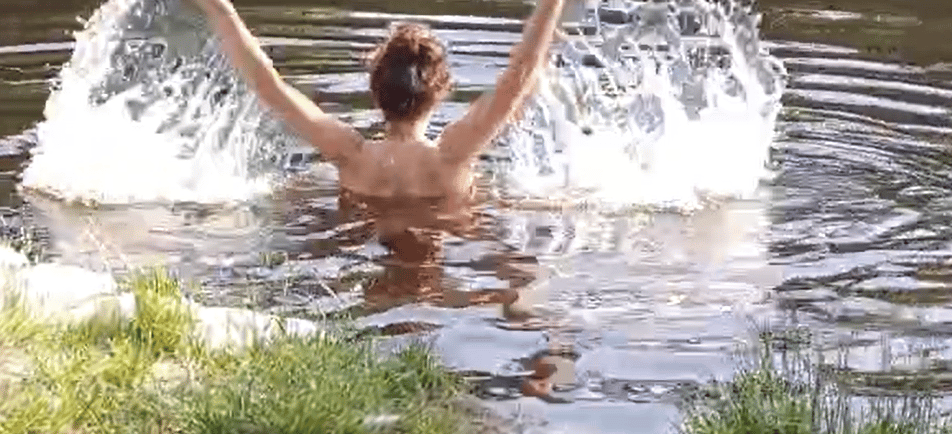
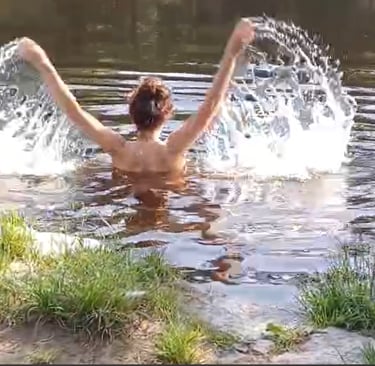
In nature, nothing moves in isolation. Movement in water creates ripples or shifts its flow. A breeze touches a leaf, and the whole branch listens. Every act — no matter how small — has an impact. We often forget that things we do also impact others and the world around us.
Nature does not rely on orders or rigid hierarchy to create change. It works through feedback loops — sensitive, and always in motion. The power of small, intentional movement and connection in action.
Many neurodivergent people experience the world in a similar way. They sense nuance, respond to subtle shifts, and often pick up on what others miss. The more natural intelligence is not linear, and deeply attuned.
No competition — just interdependence
Nature, like many neurodivergent minds, doesn’t cling to rigid roles in an effort to keep a status quo. It adapts, evolves, and responds to what’s actually happening — not what should be happening according to a set-up plan.
Rigid
Systems obsessed with control, tradition, and "the way things have always been."
Example: Bureaucracy or inflexible school systems
Neurodivergent
Flexible, curious, and future-focused. Interested in innovation and systems change.
Example: Autistic people often question social norms; ADHDers may invent more effective ways to do tasks.
Cooperative collective intelligence
Take ants, for example. To the casual observer, an anthill might look like chaos. But zoom in, and you’ll see remarkable coordination — not directed by orders, but by shared purpose and finely tuned communication. Ants leave chemical trails to warn others of danger or lead them to food. They instinctively shift roles depending on need — foraging, repairing, defending — all without formal hierarchies, but rather collective intelligence.
Their system mirrors the way many neurodivergent people function best: decentralized, responsive, and attuned to real-time feedback.
Systems: not to fit in, but to help evolve
We can draw inspiration from the neurodiversity present in the natural world. Nature’s ability to adapt, communicate effectively, and share resources serves as a reminder that perhaps the way forward lies in embracing flexibility, collaboration, and understanding.
If you’ve ever felt “too sensitive,” “too intense,” or “too direct,” guess what? So are rivers, streams and oceans. So are ants. So are the birds and bees and trees. What the modern world labels as "neurodivergent traits" are often just the most natural, sustainable ways to interact and live together. Like nature, you’re not here to fit into the system. You're here to help evolve it.
The Art of Education
Self-education
Interested?
© 2024. All rights reserved.